Archive for the ‘Borotba, Communist party of Ukraine (Allied with Pro-Russian neo-fascists)’ Category
Irish Trade Union Movement and the Irish Congress of Trade Unions (ICTU) “Unequivocal Supporters of Ukraine since the brutal Russian invasion in February 2022” – Gregor Kerr Speech to the Irish Congress of Trade Unions Global Solidarity Summer School; August 20 2026 at White’s Hotel Wexford
I Was delighted to have the opportunity to speak at Irish Congress of Trade Unions Global Solidarity Summer School on behalf of Irish Left With Ukraine, alongside Chris Ford of Ukraine Solidarity Campaign and Kateryna Maliuta-Osaulova of the Trade Union of Education and Science Workers of Ukraine, on the topic of why Irish trade unionists should show solidarity with our Ukrainian colleagues and how we can do so.- Gregor Kerr
Gregor’s speech is below.
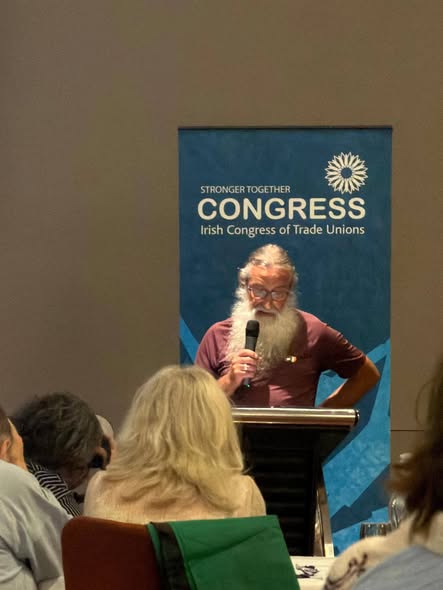
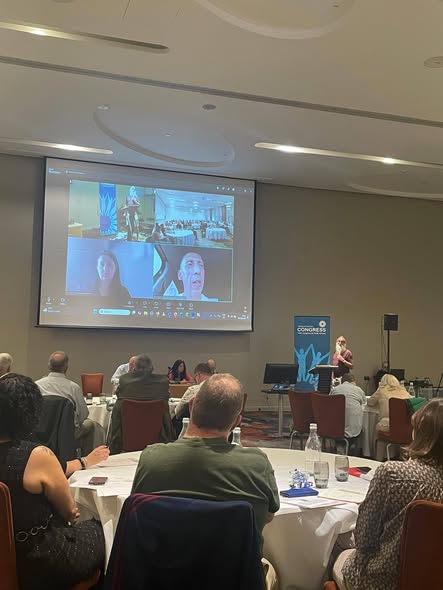
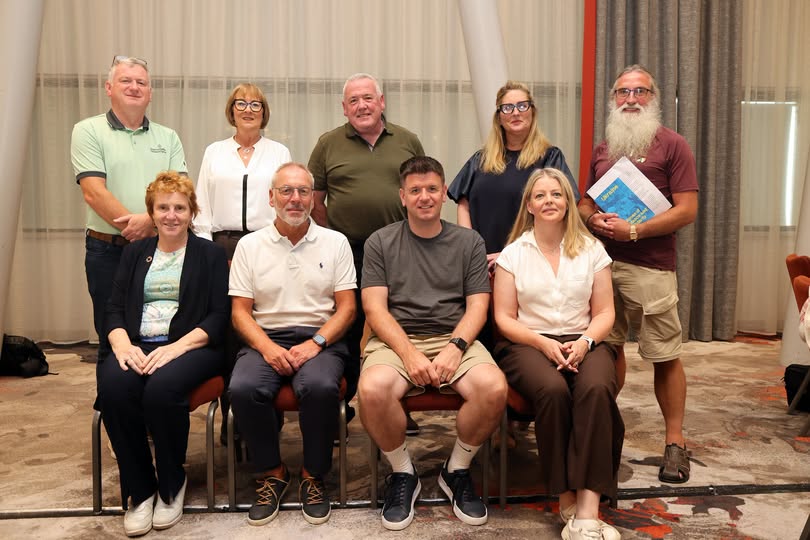
Solidarity doesn’t stop at home.
A strong INTO delegation has been at ICTU’s Global solidarity conference this week. Our delegation discussed Ukraine, Cuba, post-election Colombia and its earthquake recovery as well as ways to support and campaign for Palestine. – INTO
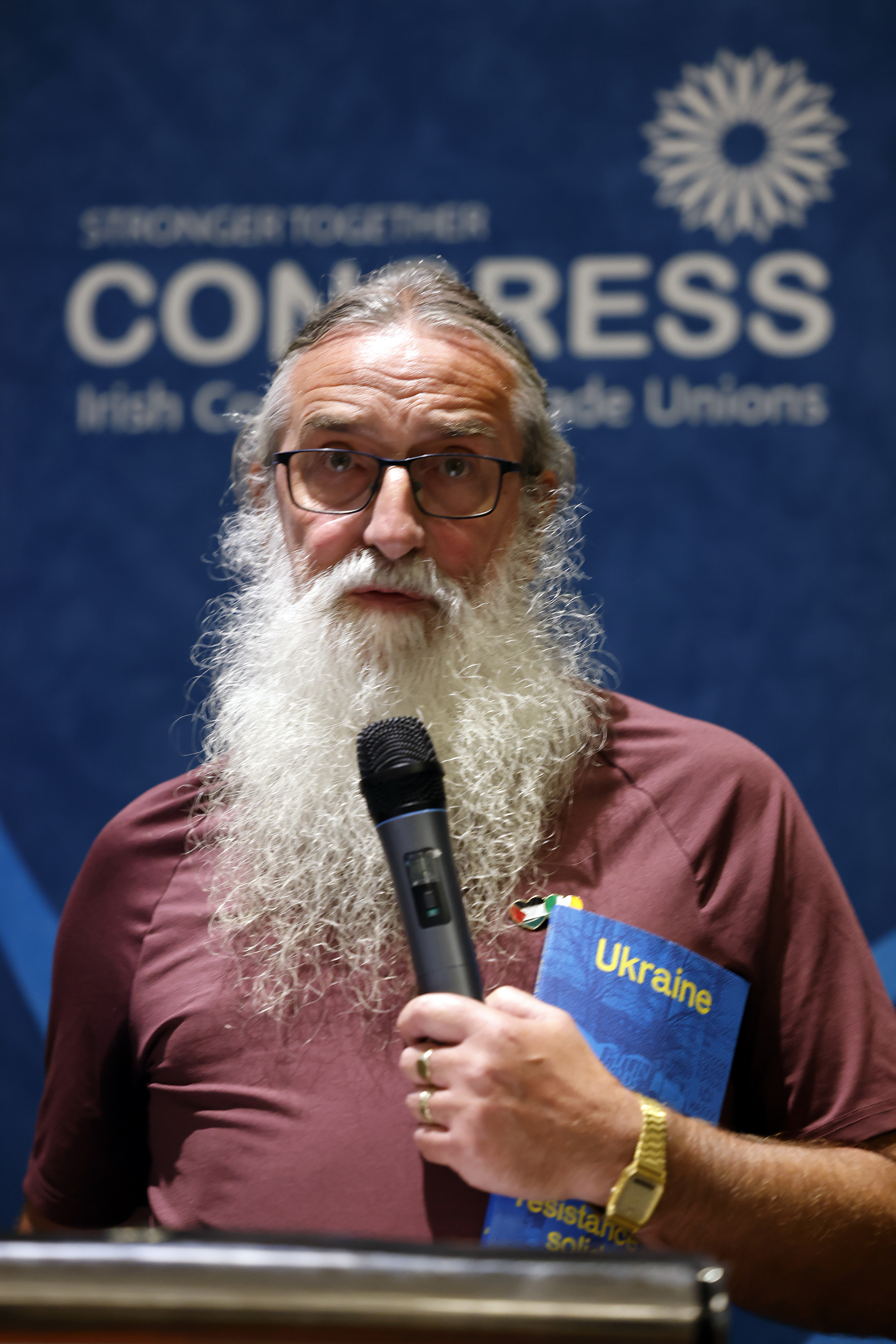
Gregor Kerr’s Speech :
I’d like to start by thanking David Joyce and the Global Solidarity Committee and conference organisers for including this session on the Summer School schedule. In this session, I’m going to invite you to put yourself in the shoes of Ukrainian workers and trade unionists – people who in the last months of 2021 and the early months of 2022 were grappling with exactly the same sort of struggles we face on a day to day basis – struggles with individual employers about wage rates and terms and conditions, struggles with the broader neo-liberal government agenda on issues of access to public health, housing, education etc etc.?
But, suddenly, their lives were turned upside down by a brutal invasion of their country. They found themselves facing the sort of horrors we really can’t envisage and they found themselves grappling with how to respond.
How do any of us know how we would respond in such a situation? Our pre-ordained political theory might suddenly not fit the reality of the brutality of what is happening.
So the challenge for each of us as Irish trade unionists and as Irish left political activists is to be able to step outside our political theory and to listen to the voices of Ukrainian trade unionists, feminists, LGBTQ+ activists, socialists, anarchists.. to listen to their reality, to respond to their requests, to empathise with the horrific situation in which they find themselves…
Read the rest of this entry »From Ukraine, Galina Rymbu’s Open Letter to Westminster MP Zarah Sultana – a feminist, anarchist and poet delivers a personal and political address to a leader of the British “Your party”
A feminist, anarchist, and poet living in Ukraine delivers a personal and political address to the leader of Your Party, inviting reflection on what contemporary anti-fascism and genuine strategies of solidarity with the oppressed might look like.
Link :
About Galina Rymbu :
Galina Rymbu’s poems employ history as a discursive tool to understand the present—stories of revolution, movement in time and space, life, and livelihood emerge. Rymbu seeks a radical feminist and leftist poetics that does not condescend to the oppressed, but rather embraces the complexity of every emotion and political position, and of language itself. She opens her poetry to the violence of propaganda, biopolitical manipulation, ideological pressures, as well as the violence of personal intimacy. Life in Space is Rymbu’s first full-length collection in English translation and includes poems selected from her three books as well as more recent work.
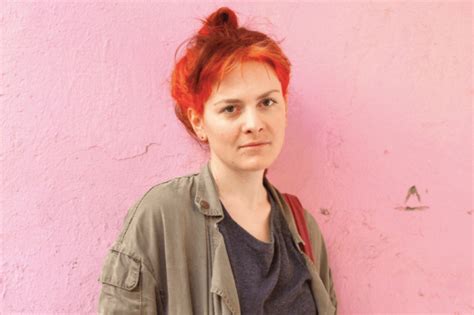
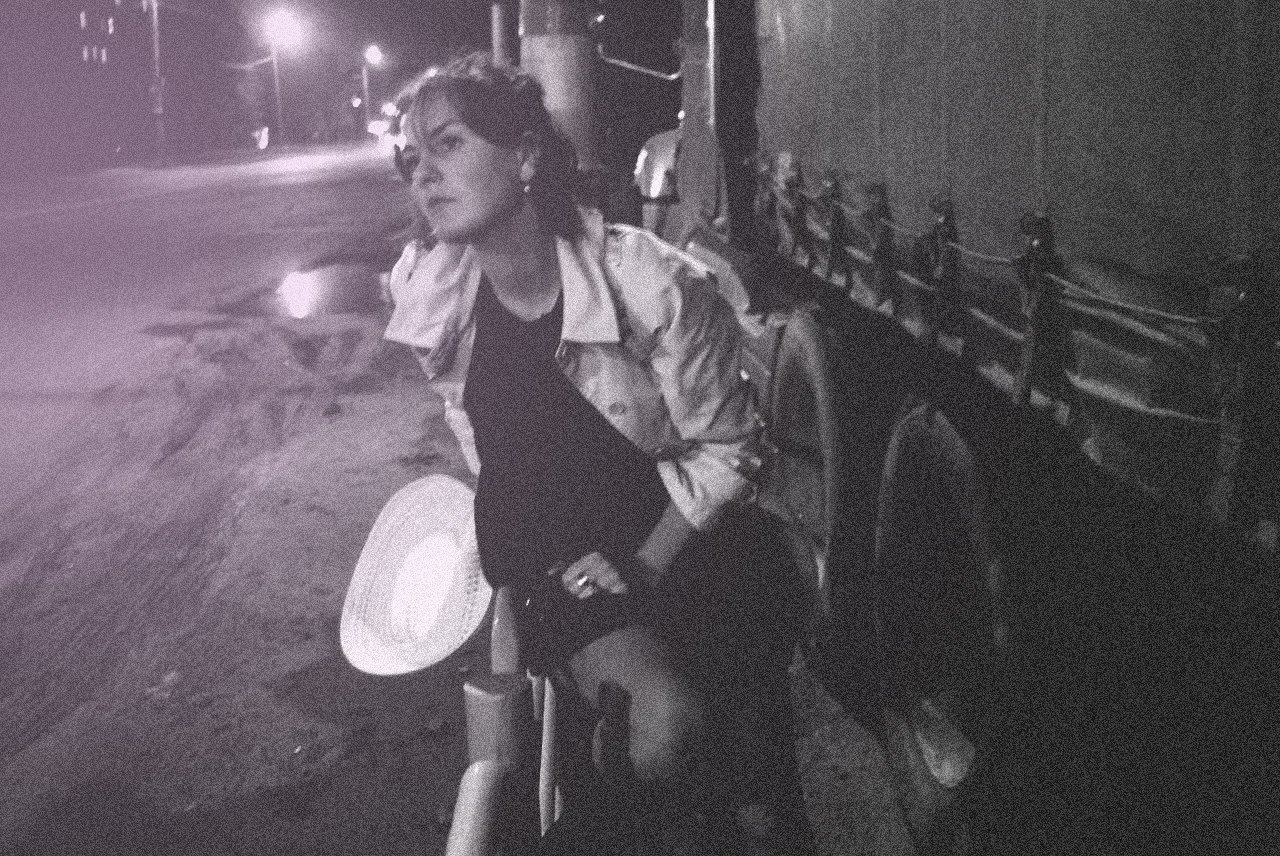
Dear Zarah,
Recently, several journalists and left-wing activists reached out to me asking for a comment on your position regarding the suspension of political and military support for the Ukrainian people. Whilst reflecting on how to respond, I decided to write you a personal letter instead. As a leftist and feminist activist from Russia who has been living in Ukraine for the past eight years, this seemed more appropriate than offering a dry neutral comment.
I am addressing you personally also because I see how people like you — those who appear on the global political stage — become a source of hope for many of the oppressed, whose voices and cries are still being drowned out by the speeches of dictators and the “pragmatic” calculations of capitalists who prefer to continue doing their dirty, bloody business with them.
For many younger generations of leftist activists, your name is associated with a promise of future and progress, as so many are tired of politics being made behind the closed doors of elite “men’s clubs,” to which we will never be invited. I know how important this is for my comrades in the UK, and during my visit to London on the eve of the pandemic, we spoke a lot about it —reading political poetry in squats and arguing in small bars about the future of our planet.
From birth until the age of 27, I lived in Russia. I grew up in Western Siberia, in the workers’ settlement of Chkalovsky in the city of Omsk, in a poor working-class family of mixed Moldovan, Romanian, and Ukrainian descent. We lived below the poverty line; we didn’t even have money to pay for electricity, so our home was often dark and without food. My parents still live in Chkalovsky, in a place that successful Europeans would probably call “the social bottom.” My friends, classmates, and lovers still live there. I am now 35, and I am still poor. I remain connected to my class and to the people who are losing their minds in this “prison of nations.” Since childhood, I have faced multiple forms of discrimination and persecution based on my ethnicity—simply because of my name, surname, and appearance. Later, I lived in Moscow and St. Petersburg, where I studied literature and then turned to research in the “philosophy of war,” seeking to understand the foundations of the idea of transforming an “imperialist war into a civil one” (a development best traced in Lenin’s Clausewitz Notebook). [1]
Read the rest of this entry »


 Tomás Ó Flatharta