Report of Public Meeting : Solidarity With the People of Ukraine – Bring the Stolen Children Home
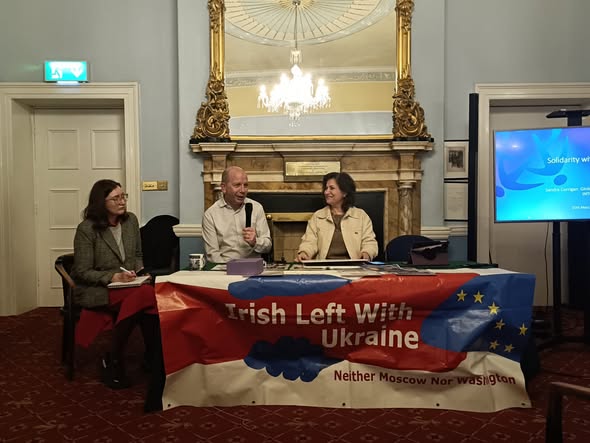
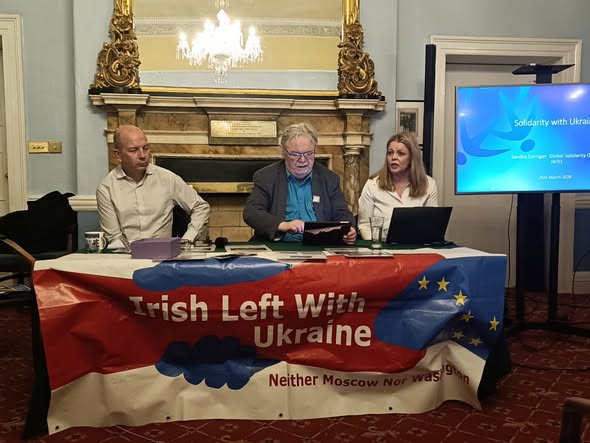
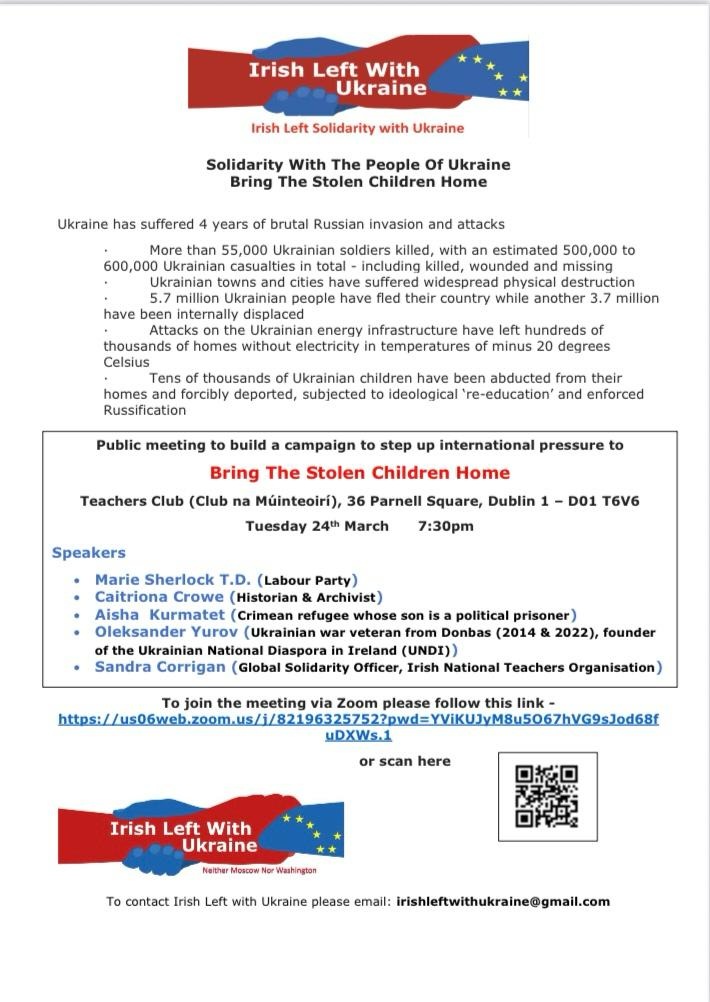
Irish Left With Ukraine (ILWU) held a very fruitful meeting on Tuesday 24 March 2026 in the Teachers Club. Interesting insights were shared. The discussion showed us all the hope that if you take action, you can make a difference.
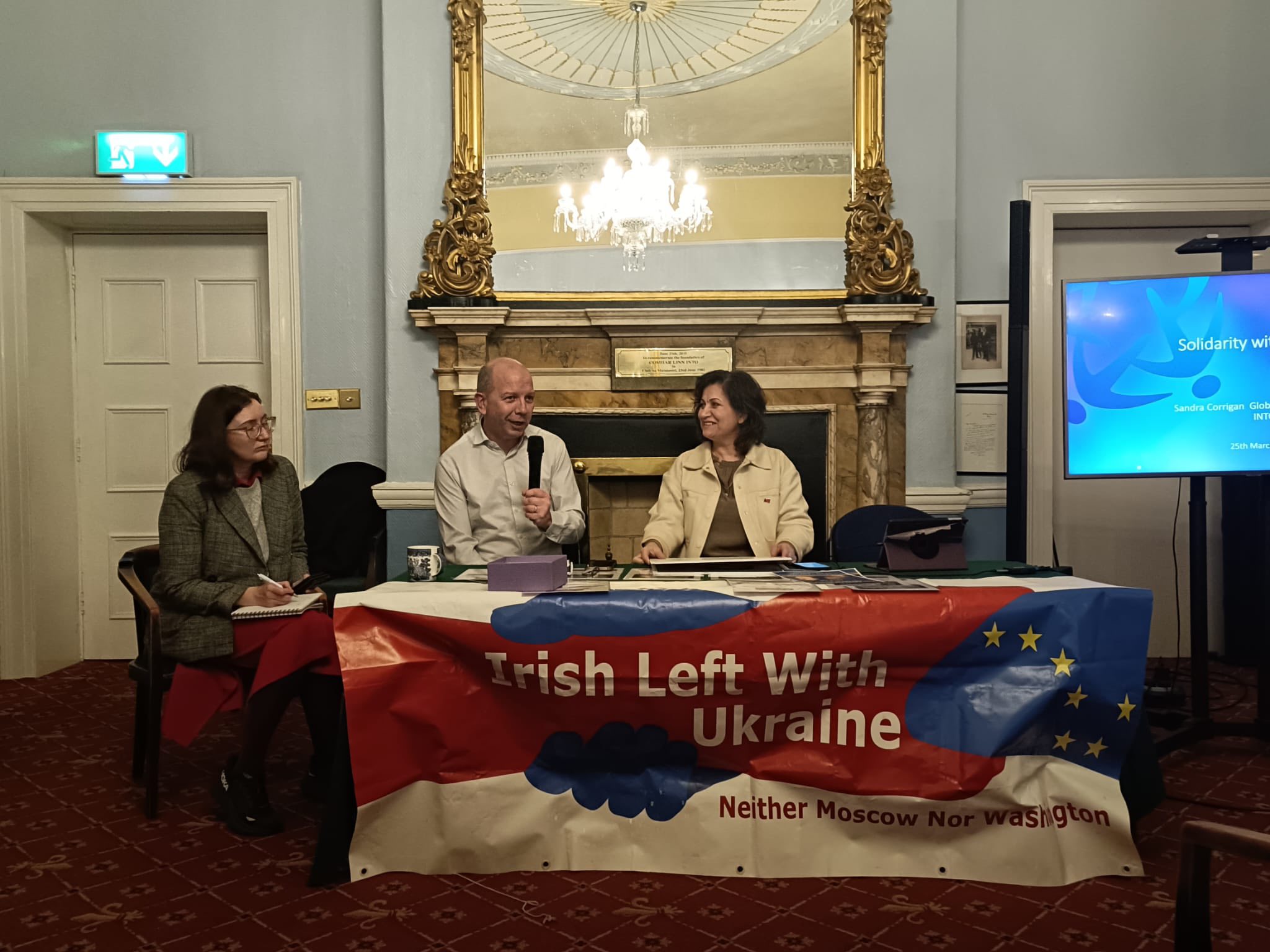
We thank Alex Yurov, Aishe Kurtamet (Crimean refugee and mother of her abducted son Appaz), Catriona Crowe (Archivist and Historian), Sandra Corrigan (INTO Global Solidarity Officer) and Ruth O’ Dea (Labour Party) for their contributions.
Alex Yurov reviewed the situation in Donetsk from 2014, when Russia invaded that part of Ukraine. He gave us details of systematic removal and “re‑education” of children into Russian territory.
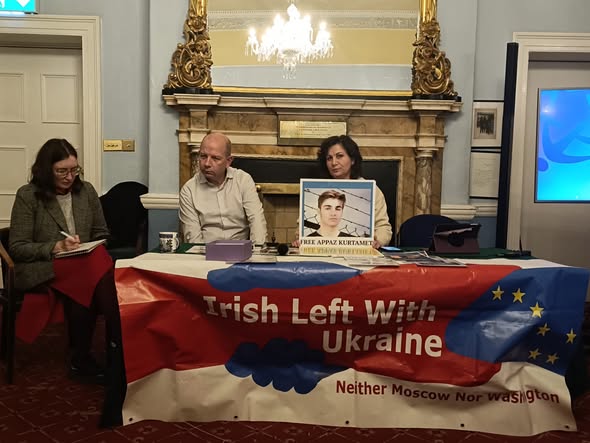
Aishe Kurtamet told the story of her son Appaz who was abducted in Crimea.
Aishe gave a sustained account of her son Appaz’s 2023 abduction from Kherson, alleging transfer to occupied Crimea, detention, forced collaboration offers, torture, and imprisonment in multiple Russian facilities; she also reported her son’s father was later abducted, tortured, and sentenced.
Link to information about the plight of Appaz Kurtamet :
Sandra Corrigan, Global Solidarity Officer of the Irish National Teachers’ Organisation, described international solidarity work for teachers and children, including a solidarity fund, emergency supplies, trauma support, and advocacy that helped secure teacher salary increases for 2025–2026. Ukrainian teacher union reports emphasised the prolonged conflict and an education crisis.
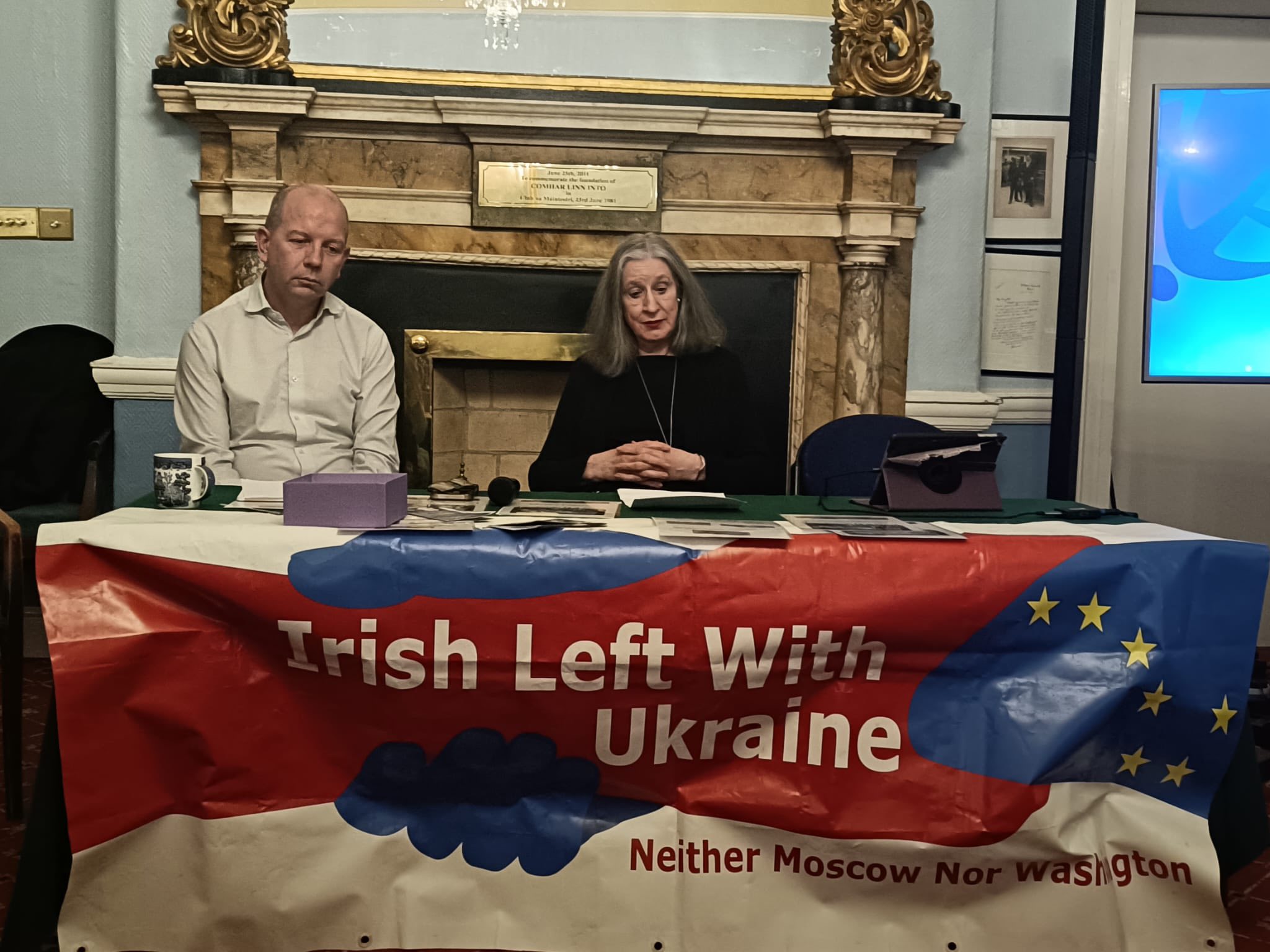
Catriona Crowe described the fascist and genocidal nature of the war Russia is waging in Ukraine – one proof of that description is the systematic kidnapping and disappearing of children in zones of occupation. She drew our attention to the awful history of child abuse in Ireland’s Mother and Baby homes.
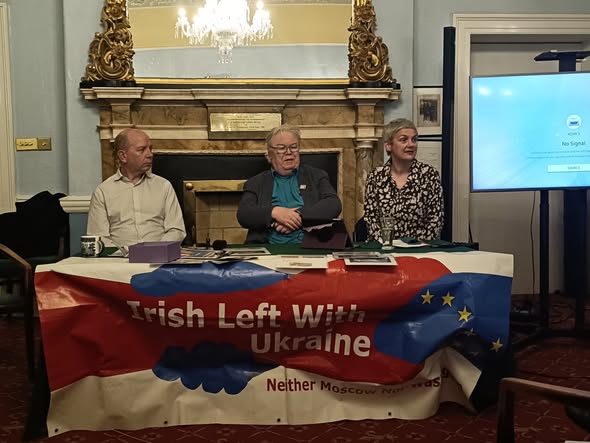
Aishe Kurmatet with chairperson Garrett MullanCatriona Crowe, blogger and archivist, discusses the plight of kidnapped childrenRuth O’Dea (Labour party)Aishe Kurmatet dosplays a picture of her son Appaz, a political Prisoner detained by RussiaSandra Corrigan (INTO Global Solidarity Officer) presents details, trade union solidarity
She highlighted the international attention shift away from Ukraine to other conflicts, such as Iran, and the need for continued support.
She emphasized the importance of providing Ukraine with adequate weaponry to resist Russian aggression.
She discussed the broader context of the war, including the unprovoked invasion by Russia and the significant casualties on both sides. war on Ukrainian children, including the kidnapping and indoctrination by Russian authorities.
Yesterday Conor Gallagher in The Irish Times, working with the Organized Crime and Corruption Reporting Project, revealed shocking details about the supply chain linked to the Aughinish Alumina plant in Limerick.
His report outlined how significant quantities of alumina from this facility are being exported to Russia, where they are being used to make aluminium, which is then sold to a trading company supplying over 100 Russian weapons manufacturers. It is deeply alarming to see that shipments of Irish alumina to Russia have increased significantly since Putin’s brutal full-scale invasion of Ukraine in 2022. It is horrific to see this. It is unconscionable that a plant operating in Ireland could be contributing to materials used in the destruction of so many communities and so much civilian infrastructure in Ukraine and can be used to kill children in Ukraine. This is appalling to see and I do welcome the Taoiseach’s commitment to review this report, but the question is clear: what urgent action will the Taoiseach take to ensure that no Irish-based industry or business is complicit in supporting Russia’s war machine?
Ivana Bacik is right to insist that the Irish government must take “urgent action” on this issue – words and good intentions are not good enough.
In the letters page of the Irish Times (Friday May 27) Conor O’Neill – Head of Policy, Christian Aid Ireland; Chair, Irish Coalition for Business & Human Rights points out :
Aughinish exposes a general trend in State attitude to Ukraine, Palestine, human rights …
Simon Pirani offers extremely useful insights which are relevant to every European country, including Ireland.
Insight 1
On the political side, socialists in Nordic countries are streets ahead of us in the UK, perhaps because they are geographically closer to Russia. Bjarke Friborg of the Red-Green Alliance in Denmark underlined in a recent interview the “very real” threat posed by Putin’s regime, “not necessarily in terms of ‘tanks rolling into Paris’, but certainly as a threat to democracy, sovereignty and the principle that borders can not be changed by brute force”. He continued: We oppose Russian imperialism just as we have opposed American and NATO imperialism: not by supporting one bloc against another, but by defending the right of peoples to self-determination and supporting democratic and progressive forces in Russia and its client state, Belarus.
Globally, the Russian government has gained from this war because the price of oil has increased, and the Trump administration has lifted sanctions on Russia’s sale of oil. Russia has also gained because the anti-missile systems that Ukraine and Europe were buying from the U.S. to help defend Ukraine against Russia’s brutal imperialist invasion of that country are now going to the Middle East. Russia is also helping the Iranian government by sharing secret information about U.S. targets. The Chinese government has also gained from this war, because the U.S. government will pay less attention to the Pacific Region and might even allow China to proceed with its plans to take over Taiwan.
Frieda Afary, ESSF, March 15 2026
IV. What Can International Progressives Do Now? First: Do anything you can to stop this war. Educate, speak out, protest, put pressure on your government representatives and independent intellectuals. In the case of the United States, public opinion is currently 60% against this war. Most people don’t want to send their children to fight in the Middle East. Half the adult population is opposed to the Trump administration’s attacks on and detention/deportation of innocent immigrants. There is also a great deal of anger about the ways in which mostly wealthy men including Trump, other politicians and even academics have collaborated with and benefited from the late Jeffrey Epstein’s network for trafficking of women and girls for rape and sexual abuse. All of these questions need to be addressed in articulating an anti-war message. Second: Reach out to progressives in the Middle East or Middle Eastern progressives abroad. Do not limit yourself to talking only about one struggle or one country in the Middle East. Third: Oppose campism, take a clear stand against all global and regional capitalist-imperialist powers and defend the rights and humanity of the peoples that these powers are oppressing. Fourth: Address key issues that are holding back our struggles: racial and ethnic discrimination, patriarchy, capitalist exploitation, and capitalist alienation.
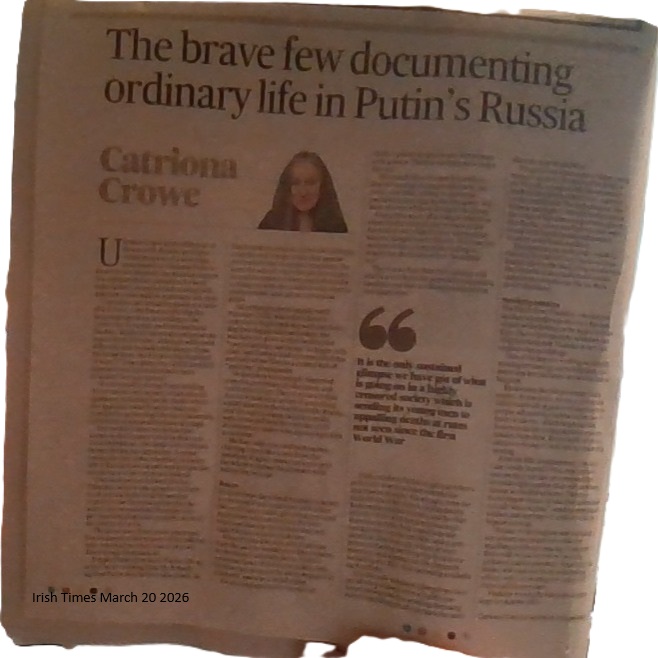
This excellent article appeared in the Friday March 20 2026 issue of the Irish Times :
Concerning the differences between the Ukrainian and Russian States, Catriona Crowe hits the nail on the head :
Casualties are breaking down at a ratio of 2-2.5 to 1, with Russia suffering the largest proportion, according to the Centre for Strategic and International Studies. While the international press can report from Ukraine, although with some difficulty and considerable danger from the front lines, the Kremlin has detained at least 27 journalists since 2022, and 355 international journalists have been branded “foreign agents”.
Irish Times March 20 2026
Catriona Crowe: The brave few risking everything to unmask Putin’s Russia
The Oscar-winning documentary Mr Nobody against Putin is a record of something totally unseen in the world outside Russia
Ukraine is now in the fifth year of its war with Russia, an unprovoked invasion of a sovereign state based on Vladimir Putin’s desire to reconstitute the Russian Empire. It is estimated that casualties for both sides (killed, wounded and missing) will amount to two million sometime this year.
The Republic of Ireland’s soccer team has been drawn against Israel in September and October 2026 in the Nations’ League tournament. The sleeveen Dublin government, run by a right-wing coalition government (Fianna Fáil, Fine Gael, and Beggar-Gombeens) [FFFGBG], is insisting the fixture must go ahead, despite rising popular opposition.
The Football Association of Ireland (FAI) debated the Israel issue at a November 2025 Extraordinary General Meeting (EGM) and voted by a 91 per cent majority to expel the Israeli football team from all international competitions.
Bohemian FC Chief Operating Officer Daniel Lambert proposed the motion.
He said its purpose was to highlight “two serious breaches of the UEFA statutes that have taken place now for a long number of years”.
“First, and probably the most important, is that there are teams playing on occupied lands, which is explicitly prohibited by UEFA statute for very good reason.
“And the second is the absolute failure of UEFA to tackle serious instances and continued instances of racism, which has been highlighted by numerous Israeli NGOs, as well as international NGOs, so it’s not something that people are commenting on without knowledge.”
Mr Lambert said “it flies in the face of logic that one association, in a game governed by rules, can breach UEFA statutes with no measures taken against them, or with no roadmap to take any action”.
He said the motion will now be sent by the FAI to UEFA.
“We’ve asked the FAI to instruct UEFA EXCO ( executive committee) to take action against the Israeli FA under the statutes. They should be excluded from competitions, that’s what we’re hoping will happen.”
Sleeveen boss of the Dublin government Micheál Martin insists the game has to go ahead in Dublin – but retreat is on the agenda.
Irish Soccer Fans favour Boycott of Israeli TeamsMaccabi Tel Aviv Fans Attacked Palestinians in Amsterdam, November 14 2024Read the rest of this entry »
ICE is an enemy of Palestine, Ukraine and opponents of the barbaric Trump-Friendly régime of Vladimir Putin
The aircraft, a Gulfstream V operated by ICE charter Journey Aviation, left the ICE hub of Mesa, AZ, at 2:28 a.m. local time Wednesday, and landed at Shannon Airport eight and a half hours later. The plane continued on to Cairo International Airport, which ICE has previously used to transfer Russian dissidents and asylum-seekers to Egyptian authorities, who then force them onto planes to Moscow.
Three and a half days after the ICE flight through Shannon Airport. Multiple phone calls and emails to the Gardai, and we’ve heard nothing from them on what action they took to investigate. I’ve been told by one officer that there is nothing on the PULSE record except my initial report.
Three and a half days after the ICE flight through Shannon Airport. Multiple phone calls and emails to the Gardai, and we've heard nothing from them on what action they took to investigate. I've been told by one officer that there is nothing on the PULSE record except my initial report.
I take this opportunity to recommend this excellent article from Kavita Krishnan which she published in early December. (see below).
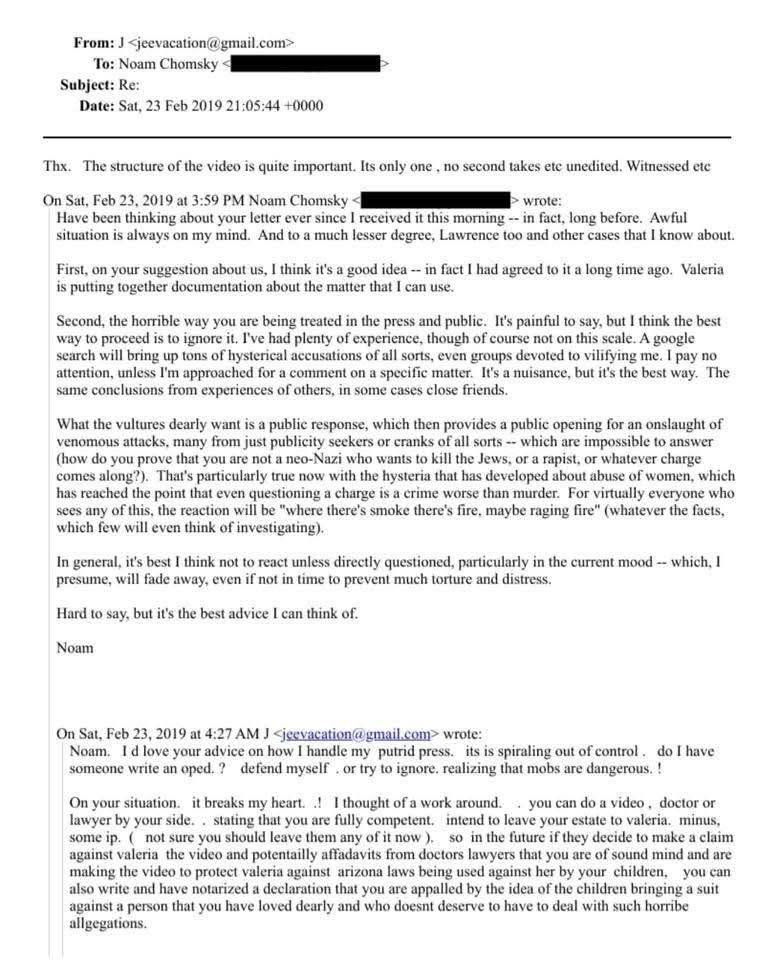
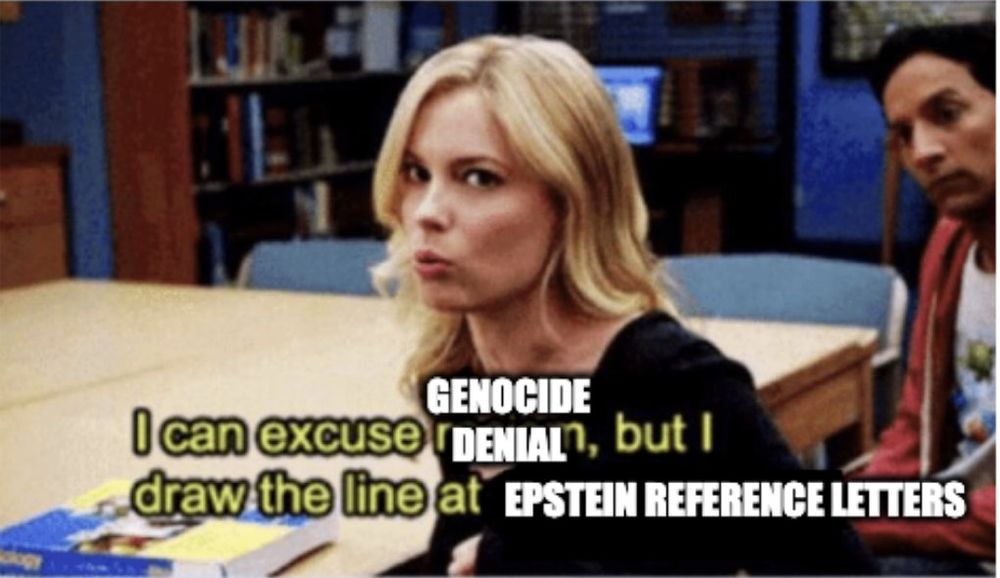
Noam Chomsky could afford terrible statements about the systematic mass murders and genocidal wars in Cambodia, Bosnia, Rwanda and Syria. Even during the Russian mass terror against the Ukrainian people, he raised more understanding of the aggressor than the attacked population.
His support for Epstein reveals the same pattern. The Indian feminist Marxist Kavita Krishnan puts his behaviour into the broader context.
This email from Chomsky to Epstein proves that he wasn’t just giving his friend the benefit of doubt, not knowing the full nature and extent of his crimes. He was actively colluding with Epstein, strategising about how to deal with the revelations about those crimes in the press.
It’s not that Chomsky was incapable of empathy – he was, but he had empathy only for the unfortunate predator, victimised by a journalist who was nuisance enough to put faces and voices to a gaggle of female accusers generating a ‘hysteria’ of solidarity.
What Chomsky calls ‘horrible’ treatment of Epstein by the press, was the November 2018 piece in the Miami Herald, ‘Perversion of Justice’ – Julie Brown’s stellar investigative journalism exposing the secret deal struck a decade ago that betrayed scores of children trafficked and abused by him, who had found the courage to help police build a cast iron case.
This email must go on his tombstone, it must feature in every obituary when he passes, it is not just a stain on his political legacy, it IS integral to his legacy. His collusion with Epstein is a result of the same abstract geopolitical doctrine that passed for his politics, one that allowed him to deny the humanity of victims of horrific mass crimes against humanity – in Cambodia, Bosnia, Rwanda, Syria, Ukraine, China.
(Edited the post for accuracy, people pointed out he was calling his accusers hysterical, not the girls. He does use hysteria again, to refer to the public response to accusations of abuse of women.)
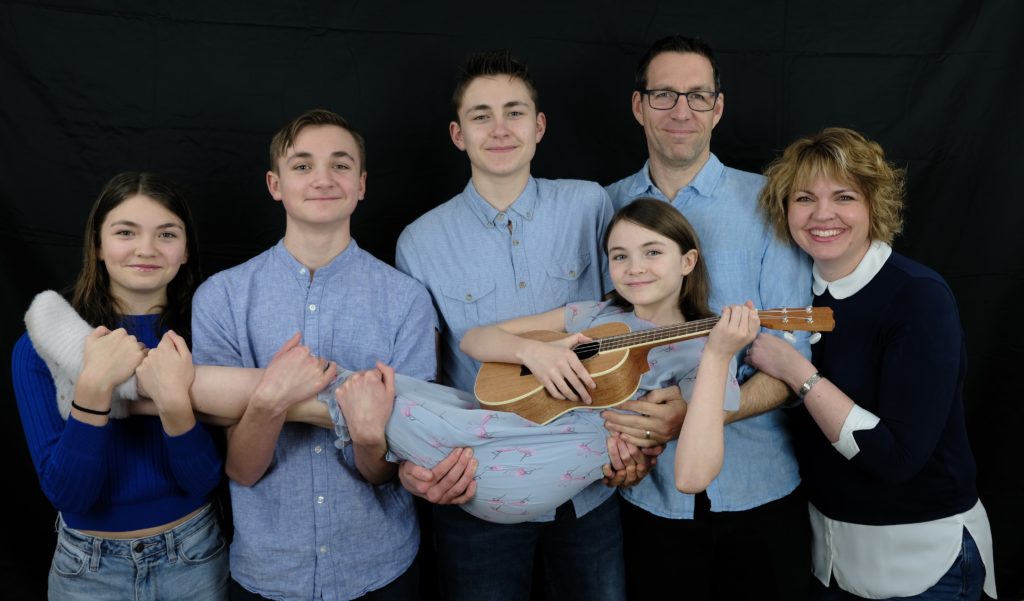
On 1 March 2025, the family uploaded “Puppets on a Kremlin String,” about the betrayal of Ukrainian president Volodymyr Zelenskyy by Donald Trump and JD Vance to Russian dictator Vladimir Putin, to the tune of Coldplay’s song “Viva La Vida“. The Marshes write, “Our version takes the sense of history, the pain, the trauma, and the notion of world rule, and applies it to the most disgusting media spectacle to date – with already several to choose from – of the new US administration. Like many around the world, as well as disheartened friends in the US, we watched the undignified ambush of Zelensky’s trip to the White House with dismay and pity. It was a very unbecoming sight – just at a human level – even without all the higher stakes, deals, implications, and nightmares unfolding as another win is handed to Putin, and more pressure placed on Ukraine. Like many we are hoping for a miraculous path forward that can somehow turn Trump’s intensity into an outcome that can transform into a lasting peace – but given how misdirected the fury and energy and narrative is at the moment, it’s quite hard to see it turning out other than a quickfire US withdrawal of support. If that happens, we’re in a cowardly new world.”








 Tomás Ó Flatharta